Lawyer Fred Muwema: Fakes Are Killing Us

Share, print, or bookmark this Case Summary


Anti-counterfeit champion, Lawyer Fred Muwema, has passionately rallied lawyers, among other consumers, to join efforts to fight fake products (counterfeits) in the market noting that they are โ€œactually killing usโ€ and that consumer and brand apathy is part of the problem.

Fred Muwema, who is the founding partner at Muwema & Co Advocates and Chairman of the Anti-Counterfeit Network (ACN), a non-profit dedicated to fighting counterfeits, made the call in a moving presentation on Wednesday, 22nd May afternoon, to the Intellectual Property (IP) cluster of the Uganda Law Society (ULS) in which he painted a worrisome picture of the counterfeit situation in the Ugandan market.

โ€œ I think it has to start with us, who are the eyes of society, who know the law, to ensure that we move away from that complacency and negligence where in the end we are paying a heavy price with our life because counterfeits are actually killing us.โ€ Mr. Muwema said.

According to a 2020/2021 Uganda National Bureau of Standards (UNBS) report cited in Mr. Fred Muwemaโ€™s presentation, 58% of the goods on the market are counterfeit.

And out of about 41 trillion Shillings of its annual national budget, Uganda loses about 6 trillion Shillings.

The U.S. Patent and Trademark Organization puts the worldwide counterfeit market at a valuation between $1.7 trillion and $4.5 trillion while the World Health Organisation (WHO) reports that 1 million people worldwide die per year as a result of counterfeit and substandard drugs.

โ€œ We are doing some work with the Uganda Communications Commission (UCC) on what they call โ€˜defective communication devicesโ€™ and the information is that 3 out of every 5 phones on the market in Uganda are fake, are substandard and you can imagine we have more than 23 million units so you can see about 10 to 15 million of them are already fake.โ€ Mr. Muwema said.


The counterfeit sneaker market is booming, reports the Economist.

Other than counterfeiting across industries such as food and drink, electronics, cosmetics, farm inputs, luxury goods, watches, cars, and so on, being a health and life threat, it undermines; consumer confidence in otherwise genuine products thereby affecting brand business and reputation, government revenue, employment opportunities and poses security risks as money made via counterfeits can be used in terrorism financing.

โ€œ A lot of the terrorism financing actually comes from counterfeits. The bomb blasts in Paris, the financing was from fake Puma. The bomb blasts in Nairobi, they were selling fake Royco cubes. A counterfeiter never puts up an industry like Mukwano to do business.โ€ According to Mr. Fred Muwema.  

For lawyers, counterfeiting, said Muwema, is threatening their business and livelihoods as the business of legitimate clients is affected by this โ€œinfluxโ€ of fake goods in the market โ€“ which makes sense that they are at the โ€œforefrontโ€ of fighting counterfeits through โ€œprotecting and ensuring the Intellectual Property (IP) of these clients of ours.โ€

โ€œ We should be exemplary. As we go to the supermarkets and places to buy as lawyers, we should not be giving our money to the counterfeits. If you are going to the supermarket, how many of you check the expiry dates of the Product? How many of you check the QR code? We go with smartphones to shop, do we check whether this product is genuine?โ€ Mr. Fred Muwema wondered.

โ€œ I will tell you that a lot of legitimate trade now is suffering and we as lawyers many of our clients are closing shop. They are reducing. I am sure many of you who work for international brands, some of them have had to leave the country. Why are they leaving the country? Because they cannot compete with the influx of fakes that are here.โ€

Intellectual Property Is Supposed to Help

Intellectual Property rights such as copyrights and trademarks are intended to prevent counterfeiting by protecting the original owner of goods or services, among other inter-dependent purposes. ย 

Trademarks, specifically, are features or marks put on goods or services to distinguish those goods from the goods of another manufacturer.

Counterfeits often use the marks of a well-established and legitimate manufacturer on their fake or substandard goods which in turn confuses the buyer as to which product is authentic that is the product made by the legitimate manufacturer.

This deprives the legitimate manufacturer of a customer and therefore business revenue and deprives the buyer of an authentic product of standard quality.


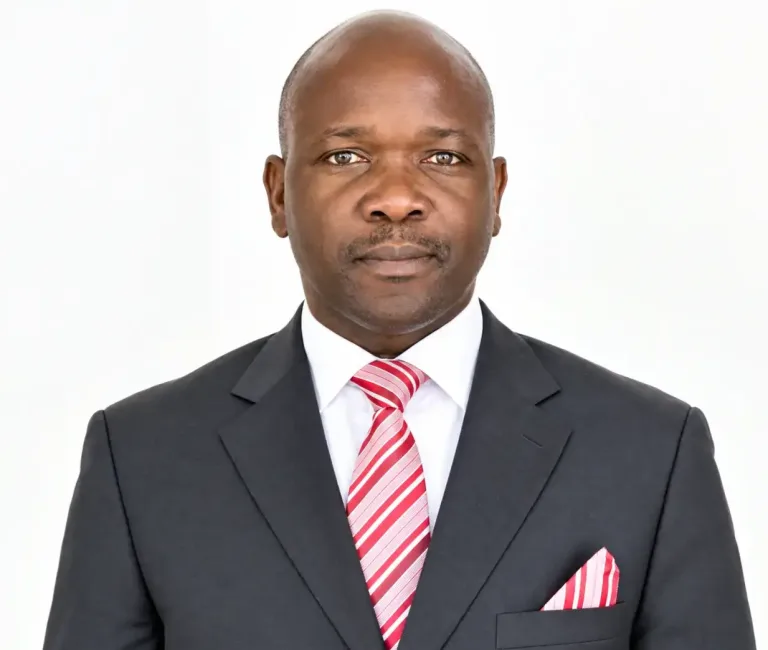
Lawyer Fred Muwema, apart from legal expertise, has cultivated an expertise in Anti-counterfeit work./Courtesy Photo

Also, the business brand and reputation of the legitimate manufacturer will be damaged as the confused buyer of the fake product will attribute the poor quality of the product they bought to the legitimate manufacturer they believed they were buying from.

There are several remedies and offences provided for in both civil and criminal law avenues for example Sections 71, 75, 77, and 78 of the Trademarks Act.

But part of the problem is enforcing these laws as there is, as Fred Muwema said:

โ€œ misunderstanding and misapprehension of the IP laws by the very people who are supposed to be applying the lawโ€ and the weak penalties they provide against offenders.


Counterfeits are getting so good that in some cases you may not tell fake from real by merely looking at the product which makes scanning QR codes more necessary. In this photo, the original product is the one on the left even though it bears a typographical error somewhere in the product name (see analysis here) and the fake product bears the correct spelling in the ‘product name’./ New York Times photo

As an example, Fred Muwema cites the private prosecution case of Uganda Vs. Nalubiri Resty, where his organization ACN is pursuing the accused person for allegedly selling a counterfeit popular herbicide known as โ€œweed masterโ€ contrary to Section 77 of the Trade Marks Act but the State Attorney refused to sanction the charges without testing the contents of the said herbicide yet the presence of the trade mark of the original makers of the herbicide on the accusedโ€™s product should have been enough.

โ€œSo you see this is a State Attorney, a colleague, a lawyer analyzing a counterfeit case that way and says letโ€™s look at the contents,โ€ Muwema said.

BLEEP

As part of ACN’s efforts to empower consumers, brands, and regulators alike, Fred Muwema revealed a groundbreaking upcoming innovation in the form of a website and an application called โ€œBleep.โ€

This innovation is intended to be used โ€œ by consumers, brands, and regulators to report, verify, and take remedial action.โ€

It would also act as a data repository and provide news reports and data on consumer protection-related matters.

โ€œ We would like to use this platform for the consumer to become an army of detectives so that they can give the counterfeit hotspots to the brands, to the regulators for us to be able to take the necessary anti-counterfeit action.โ€ Mr. Muwema said.

โ€œA lot of brands do take anti-counterfeit actions but they never inform the consumer. Many of you are going to the supermarkets today but you are not aware that there has been a swoop on the market trying to arrest people who have been faking soap or cooking oil. All this is kept quiet and we are saying โ€˜Can we have more accountability and responsiveness so that the consumers do understand.โ€ He added.


It's free, subscribe to get our updates delivered straight to your Inbox!

We donโ€™t spam! Read our privacy policy.

Benjamin Ahikiiriza
Legal Publisher and Editor at Legal Reports Digital Media | benjamin@thelegalreports.com | Website | + posts

Share, print, or bookmark this Case Summary

Leave a Reply

Your email address will not be published. Required fields are marked *

error: Content is protected !!